
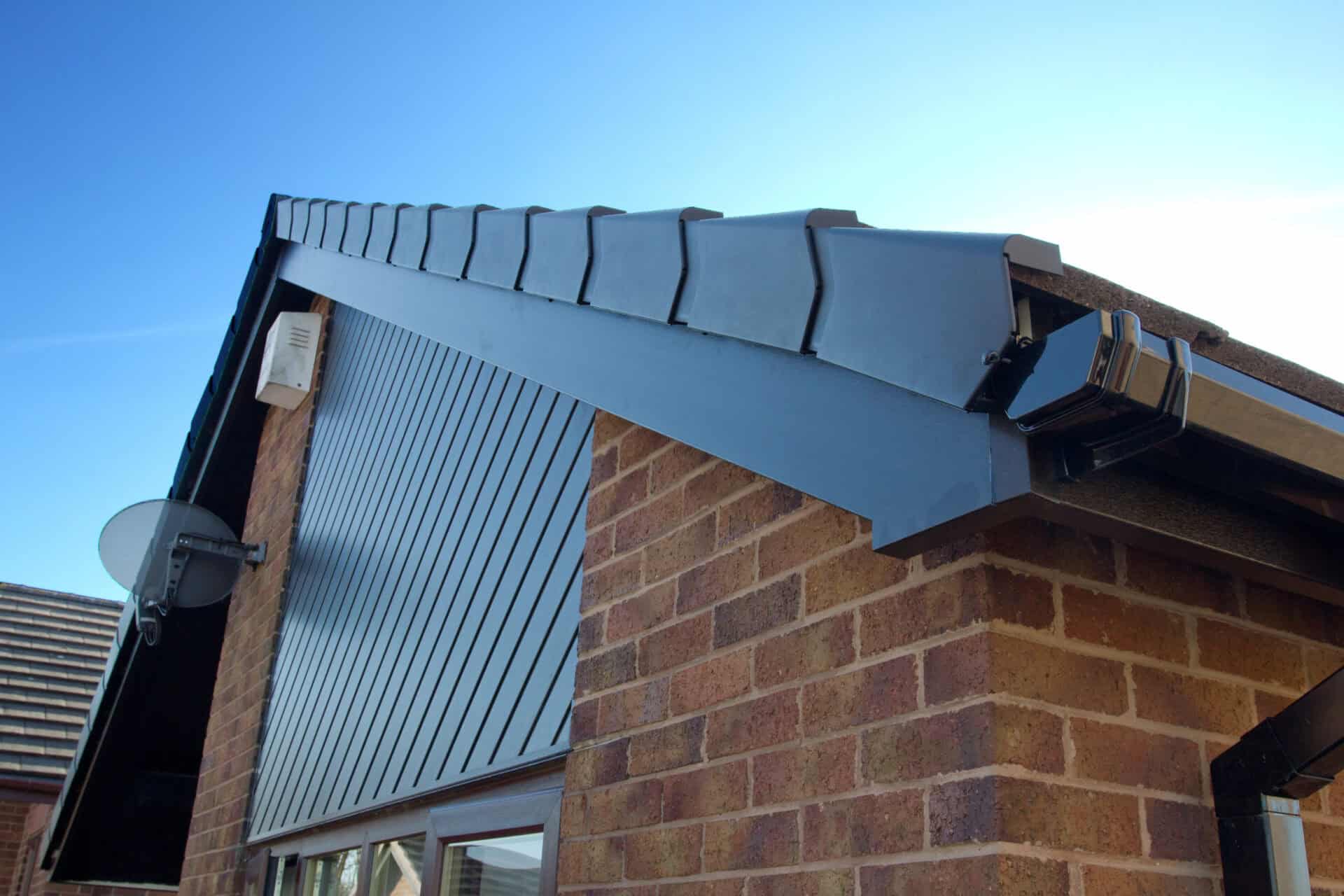
External UPVC shiplap cladding has become an increasingly popular choice for homeowners across the UK who want to improve the appearance, durability and performance of their property. As more people look for exterior finishes that are practical, long-lasting and visually appealing, UPVC shiplap cladding offers a modern solution that suits a wide range of homes.
We’re often asked what UPVC shiplap cladding actually is, how it works once installed, and why it performs so well compared to traditional materials. Understanding how this type of cladding functions helps homeowners make confident decisions when upgrading their property’s exterior.
Understanding External UPVC Shiplap Cladding
External UPVC shiplap cladding is a system of interlocking panels designed to be fixed to the outside walls of a building. Each panel overlaps the next using a tongue and groove or shiplap profile, creating a continuous, sealed surface that protects the structure beneath. The term “shiplap” refers to the way the boards slot together, rather than the material itself.
UPVC, which stands for unplasticised polyvinyl chloride, is a rigid and highly durable plastic. Unlike timber, it does not absorb moisture, warp, rot or require regular repainting. This makes it particularly well suited to the British climate, where rain, frost and fluctuating temperatures can take a toll on traditional exterior finishes.
The result is a clean, uniform exterior that maintains its appearance year after year with very little maintenance.
How UPVC Shiplap Cladding Protects Your Home
One of the main purposes of external UPVC shiplap cladding is to act as a protective outer layer for your property. When installed correctly, it creates a barrier between your walls and the elements, helping to shield brickwork or blockwork from prolonged exposure to wind, rain and UV rays.
The overlapping design of shiplap panels helps to direct water away from the wall surface. Rainwater naturally runs down the face of the cladding, rather than penetrating the structure behind it. This reduces the risk of damp issues, surface deterioration and long-term structural damage.
Behind the cladding, there is usually a small cavity that allows air to circulate. This ventilation helps any moisture escape, keeping the wall beneath dry and allowing the building to breathe properly. This balance of protection and airflow is a key reason why UPVC shiplap cladding performs so well over time.
The Installation Process Explained
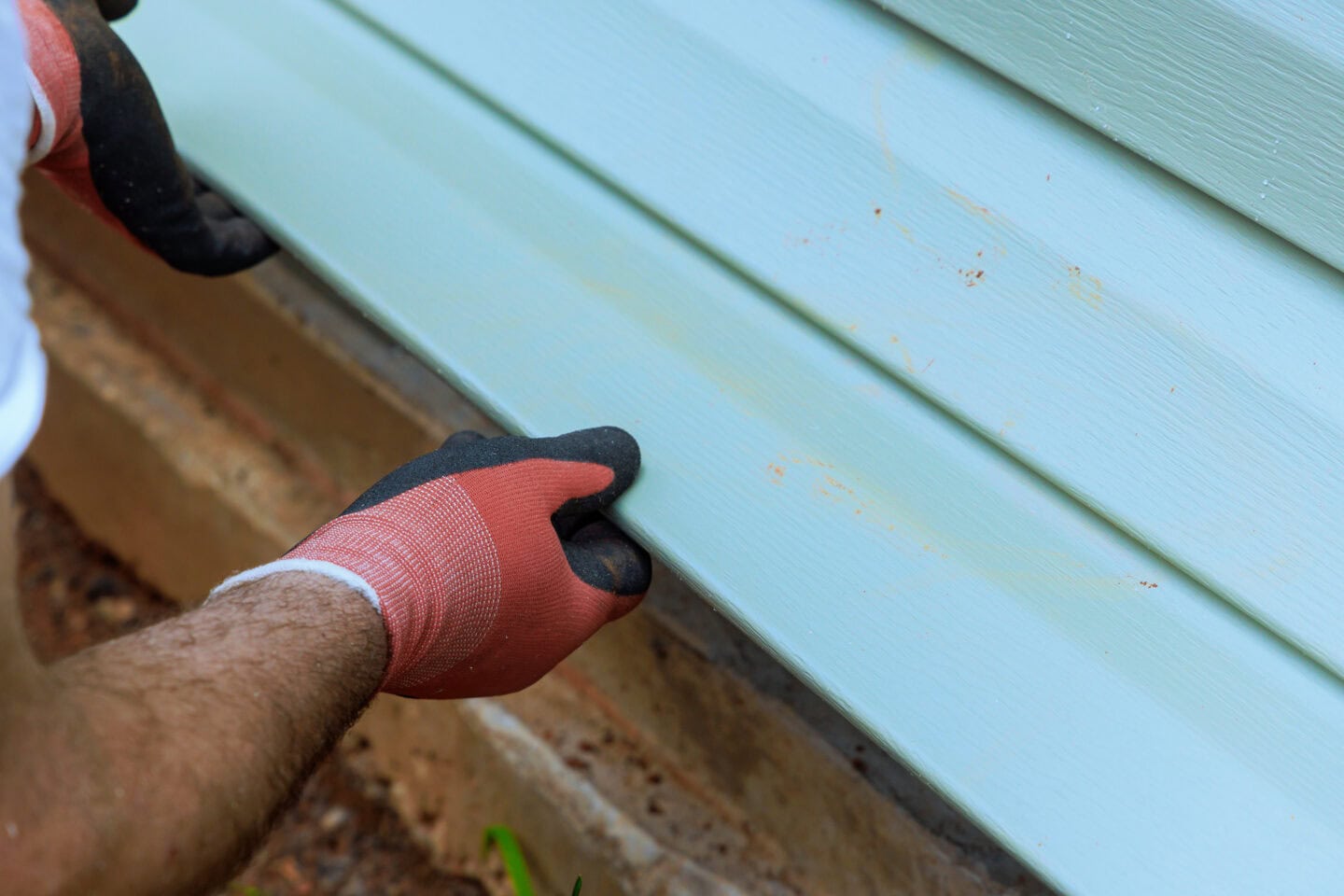
Although the finished result looks simple and seamless, external UPVC shiplap cladding works as part of a carefully designed system. Installation begins with the preparation of the wall surface, ensuring it is sound, clean and suitable for fixing.
A framework or batten system is typically installed first. This creates a level base for the cladding panels and allows space for ventilation behind them. The UPVC boards are then fixed horizontally or vertically, depending on the desired look, with each panel locking neatly into the next.
Trim pieces are used around windows, doors, corners and rooflines to give a tidy finish and ensure all edges are properly sealed. Once installed, the cladding forms a rigid outer skin that enhances both the appearance and performance of the building.
Why UPVC Is Such an Effective Cladding Material
UPVC has become a popular material for exterior products because of its strength and stability. Unlike timber, it does not expand and contract significantly with temperature changes, which means it stays secure and aligned throughout the year.
The material is also resistant to insect damage, mould growth and corrosion. This makes it ideal for homeowners who want a long-lasting solution without the ongoing upkeep associated with wood or painted surfaces.
Modern UPVC cladding is manufactured with UV stabilisers, helping it retain its colour and finish even after years of exposure to sunlight. This ensures your property continues to look smart and well cared for without constant attention.
Thermal Performance and Insulation Benefits
External UPVC shiplap cladding can also contribute to improved thermal performance when combined with appropriate insulation. While the cladding itself is not a primary insulator, it works alongside insulation boards or existing wall insulation to reduce heat loss.
By covering the external wall, the cladding helps minimise cold bridging and protects insulation materials from weather exposure. This can lead to more stable internal temperatures and improved energy efficiency, particularly in older properties.
Over time, these improvements can make a noticeable difference to comfort levels within the home and may contribute to lower heating costs during colder months.
Aesthetic Versatility for Different Property Styles
Another reason external UPVC shiplap cladding works so well is its versatility. It is available in a range of colours, finishes and profiles, allowing homeowners to choose a style that complements their property.
Whether you’re updating a modern home, refreshing a tired exterior or adding contrast to a traditional property, shiplap cladding can be tailored to suit. It can be used across an entire building or as a feature on specific elevations, extensions or upper floors.
The clean lines and consistent finish help create a polished look that enhances kerb appeal and gives properties a more contemporary feel.
Maintenance and Long-Term Performance
One of the biggest advantages of external UPVC shiplap cladding is how little maintenance it requires. Unlike painted surfaces or timber boards, UPVC does not need sanding, sealing or repainting.
Routine care usually involves nothing more than occasional cleaning with warm soapy water to remove dirt or environmental build-up. Because the material does not absorb moisture, it resists staining and remains easy to keep looking fresh.
This low-maintenance nature makes UPVC shiplap cladding particularly appealing for busy households or property owners who want a smart exterior without ongoing costs.
How External UPVC Shiplap Cladding Adds Value
Improving a property’s exterior can have a significant impact on how it is perceived. External UPVC shiplap cladding creates a neat, modern appearance that can instantly lift the look of a home.
Beyond aesthetics, the added protection and durability can be attractive to future buyers, who often value low-maintenance features and long-lasting materials. A well-installed cladding system suggests that a property has been cared for and upgraded thoughtfully.
For homeowners planning to stay put or those considering future resale, UPVC shiplap cladding offers both immediate and long-term benefits.
Is External UPVC Shiplap Cladding Right for Your Home?
Every property is different, and external UPVC shiplap cladding works best when it is chosen and installed with the building in mind. Factors such as wall condition, exposure to weather, insulation needs and desired appearance all play a role in determining whether it is the right solution.
When installed professionally, UPVC shiplap cladding provides reliable protection, a clean finish and years of performance with minimal upkeep. It is a practical choice for homeowners who want to modernise their property while ensuring it remains well protected against the elements.
By understanding how external UPVC shiplap cladding works, it becomes clear why it has become such a popular exterior upgrade across the UK. It combines durability, efficiency and style in a way that suits modern living and long-term peace of mind.